
Extreme Heat
& Community Resilience
Extreme Heat & Community Resilience
Extreme Heat & Community Resilience (EHCR) is a Kings County initiative focused on education, prevention, and community-driven planning related to extreme heat. This effort supports the Kings County Office of Emergency Services (OES) Extreme Heat Resiliency Plan by gathering community input, sharing educational resources, and coordinating with local partners.
Services listed here include education opportunities, community surveys, and heat-related resources available to residents.
Services
Education Resources
How To Get Involve
Community Resources
Partner Organizations
The Extreme Heat & Community Resilience initiative works in collaboration with local partners across multiple sectors, including public health, emergency services, education, community-based organizations, and local government. These partnerships help ensure outreach, education, and resources reflect community needs across Kings County.
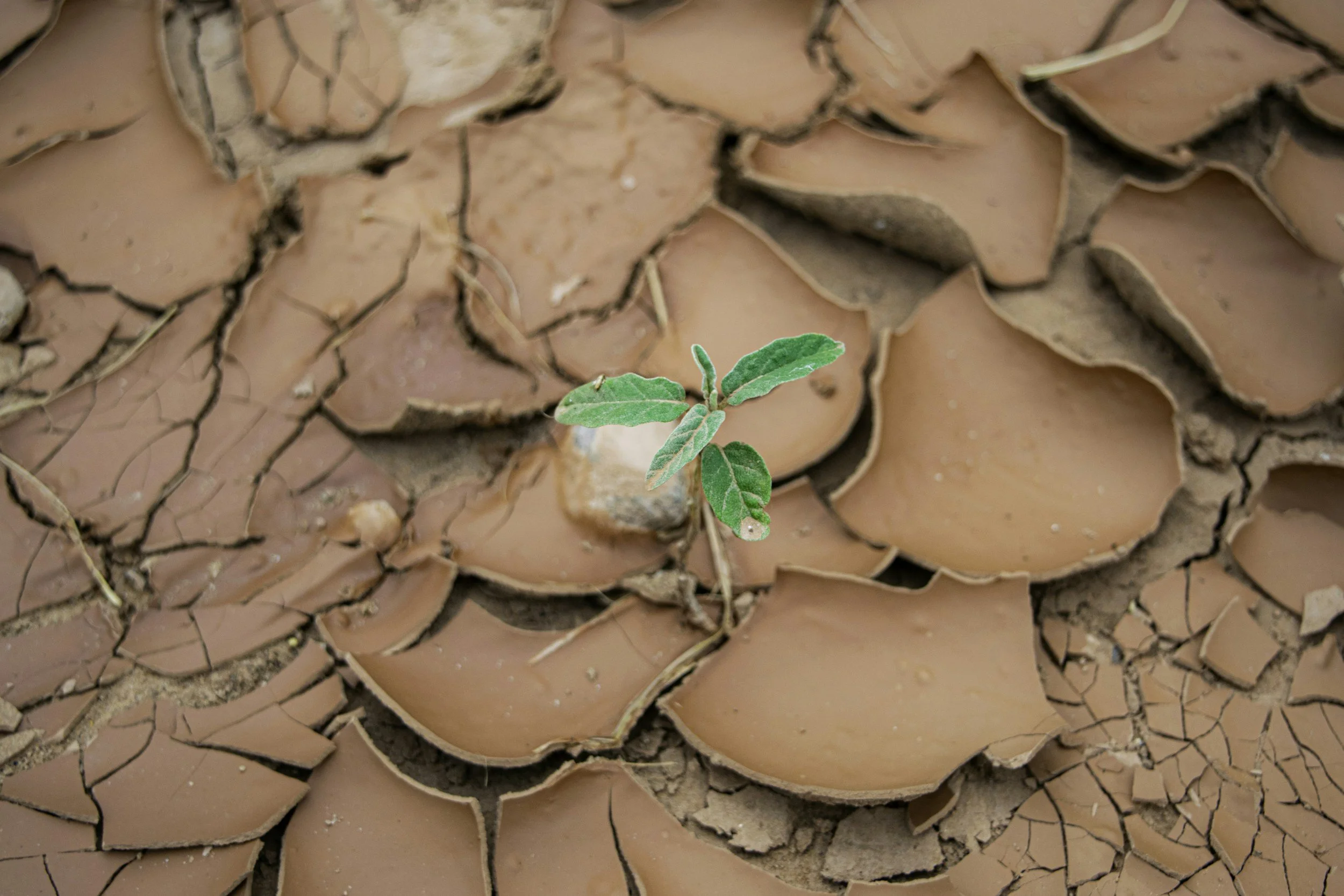
Community resilience helps communities prepare for, respond to, and recover from extreme heat.

Help share resources to protect vulnerable communities!
Extreme Heat & Community Resilience Workgroup
The Extreme Heat and Community Resilience Workgroup is a closed, collaborative group made up of community-based organizations, public agencies, and local partners across Kings County. The workgroup serves as an advisory body supporting data collection, outreach coordination, and development of recommendations related to extreme heat resilience.
While workgroup meetings are not open to the public, outcomes from this collaboration help inform community education, resources, and planning efforts.
For more information or any questions, email Gisselle Tamayo at gisselle@kpfp.org

Extreme Heat & Community Resilience
“Knowing what to do during extreme heat is essential to protect your health. High temperatures can lead to dehydration, heat exhaustion, or heat stroke. Especially for older adults, children, and people who are active. Simple steps like drinking water, taking breaks, staying in cool spaces, and limiting activity during the hottest hours can help prevent serious illness and keep everyone safe.”
For More Information
Get Social